
AI Expectations Outpace Adoption in Luxury Real Estate, Marygold Studio Finds at MIPIM 2026
Findings from the Cannes property summit indicate that while developers are experimenting with AI in early-stage CGI and production, hyperrealistic visualization and narrative remain the decisive factors in off-plan luxury sales.
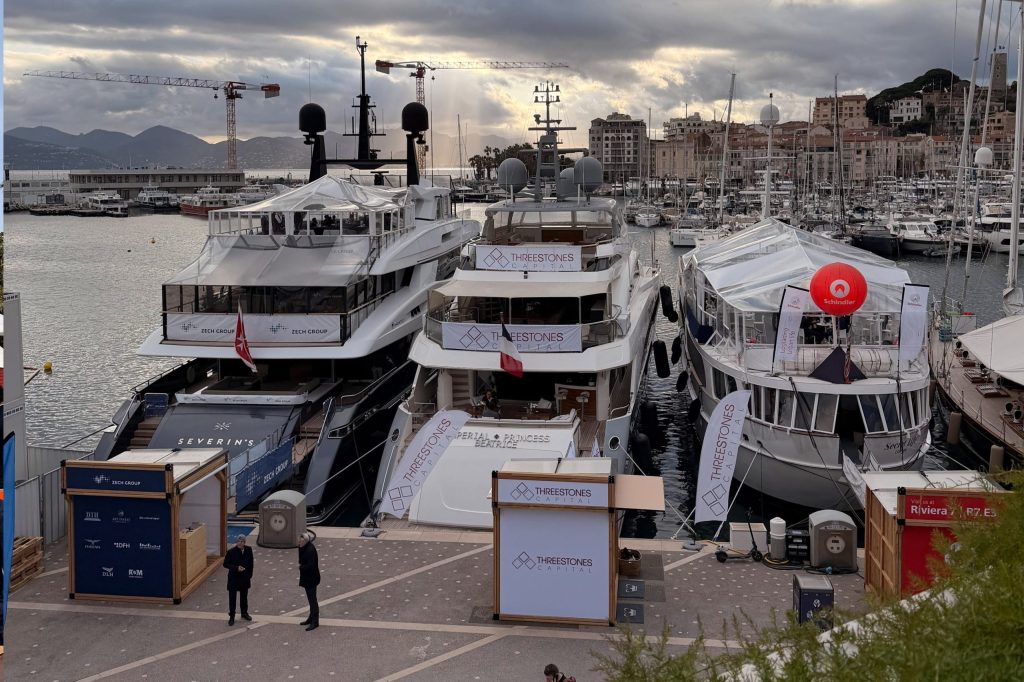
DUBAI – Developer interest in artificial intelligence is high across the luxury real estate sector, but operational adoption remains limited, according to findings shared by Marygold Studio, a boutique CGI and real estate branding agency with offices in London and Dubai, following MIPIM 2026 in Cannes. At the summit, studio founder Taras Kvitka met with developers and investment funds from across the GCC and Europe to discuss luxury branding strategy, buyer psychology, and the state of AI adoption in property development.
Among the key findings from MIPIM 2026: developer expectations for AI are high, but actual adoption remains thin. Most teams are still experimenting – generating early concepts, automating parts of production – but Kvitka spoke with had seen a real operational breakthrough yet.
Taras Kvitka, Founder of Marygold Studio, stated that “buying real estate – especially off-plan – is built on trust. In luxury real estate, buyers don’t trust algorithms – they trust what they see. That’s exactly why AI-powered visualization has become the most powerful sales tool in the industry. The technology doesn’t replace trust; it builds it.”
According to Kvitka, explanation is structural. Luxury real estate sales – particularly off-plan – run on trust. A buyer committing £2 million or £10 million to a building that does not yet exist needs to believe in the developer, the project, and the story behind it. That belief is built through high-quality CGI, architectural visualization, brand films, and a coherent narrative. That belief is built through what buyers actually experience: hyperrealistic CGI, 3D walkthroughs, and brand films that make an unbuilt project feel real. AI has accelerated the production of all three. What hasn’t changed is that the story still needs a human to author it.
The findings also address sustainability and mixed-use amenities, noting that both have shifted from differentiators to baseline expectations among luxury buyers. What continues to drive purchasing decisions is visual quality and narrative clarity.
Taras Kvitka said: “Sustainability has become a standard – buyers expect it now. It no longer sets you apart.”
Projects that invest in strong branding – naming, visual identity, architectural visualization, and brand films – sell faster and at stronger prices. Developers who treat visuals as a cost item rather than a sales tool tend to find out the hard way.
Marygold Studio’s client list includes Foster + Partners, Zaha Hadid Architects, Red Sea Global, Ellison Institute of Technology, and Four Seasons. The studio covers the full visual communication stack for real estate developers: from brand strategy and naming through CGI production, brand films, 3D floor plans, and real estate digital twins.
Further detail on brand strategy, visual execution and sales velocity, buyer psychology in the luxury segment, and Kvitka’s outlook on geopolitical risk in the Gulf real estate market is available at: Luxury Real Estate Branding: How Marygold Studio Builds the Story Behind the Property.
ABOUT MARYGOLD STUDIO
Marygold Studio is a CGI and real estate branding agency with offices in London (85 Great Portland Street, W1W 7LT) and Dubai (One Central, Dubai World Trade Center). The studio works with architects, developers, and investment funds on architectural visualization, brand strategy, marketing brochures, 3D walkthrough services, and digital twins. Clients include Foster + Partners, Zaha Hadid Architects, Red Sea Global, and Four Seasons.